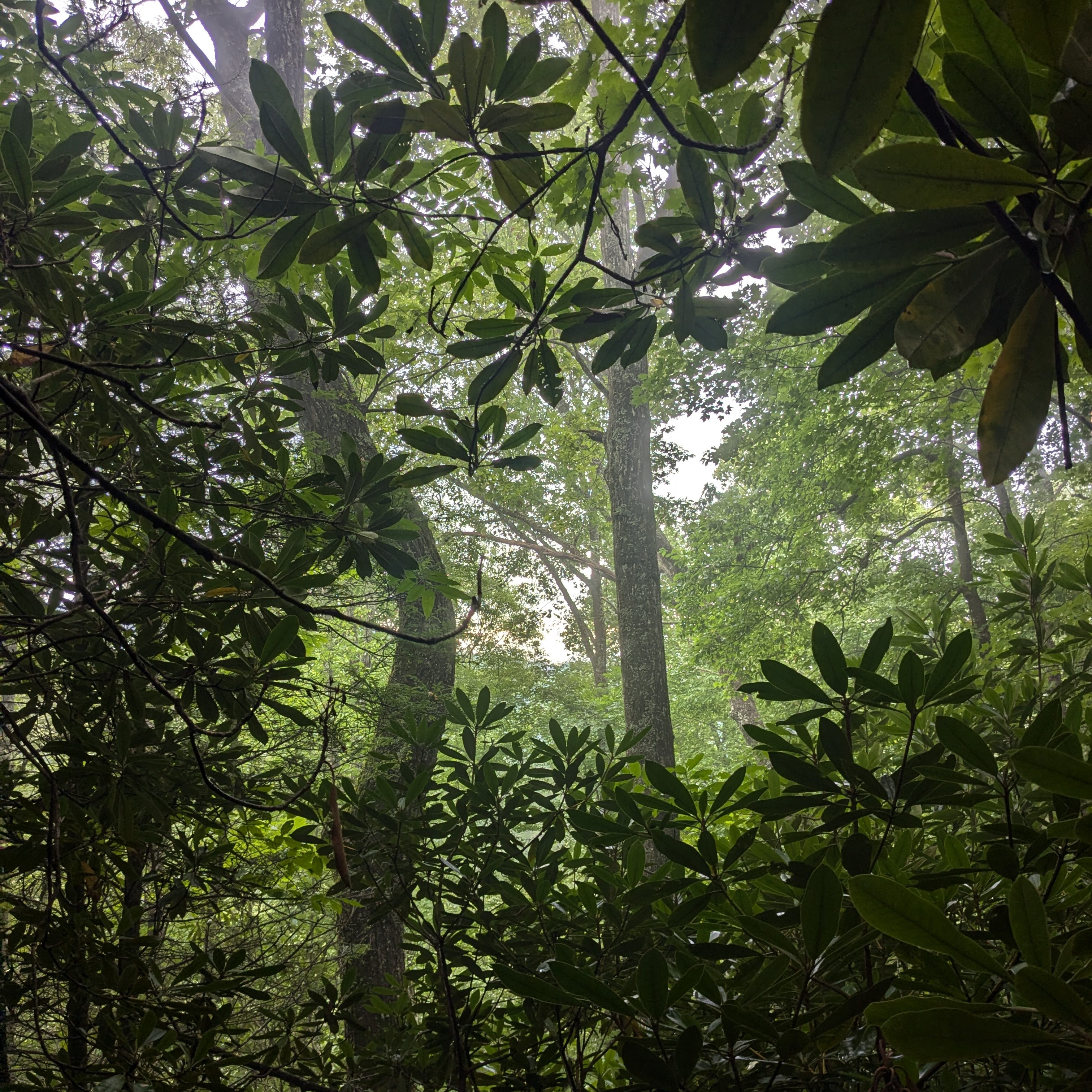

In Pilgrim at Tinker Creek, Annie Dillard pens a raving love letter to the natural world.
Author Annie Dillard illustrates how much mind-blowing detail is contained in every living thing, no matter how mundane it may seem. In one chapter, she walks into a pet store and purchases a goldfish for twenty-five cents. This creature contains an entire network of fine bones, a digestive system, a heart, and a brain, Dillard points out. All of its organs are composed of thousands of cells, each possessing their own, even smaller components. (Dillard goes on a multi-page rant about one certain part of the kidney, called a Henle Loop, whose function is so niche that to this day I still don’t understand it, even after personal research.) An elaborate empire, all for twenty-five cents! Behold this tiny world floating in my plastic baggie!
Dillard states that the creator doles out this insane level of intricacy “with a spendthrift genius and an extravagance of care.” Abundant intrigue surrounds us when we look close enough.
“Beauty and grace are performed whether or not we will sense them. The least we can do is try to be there.”
In Pilgrim at Tinker Creek, Dillard has written the manual on how to “look close enough.” She studies Tinker Creek, the small waterway that runs through her backyard, with religious devotion. She tromps out to its banks in all types of weather and times of day, often just to sit and stare and see what happens.
Sometimes, she sees “nothing but light on the water,” but other times, nature rewards her devotion with moments of magic. She notices a female praying mantis at the very moment when the insect lays her eggs on a rose stem. After days of stalking and sitting stock still, she finally glimpses a furtive muskrat emerging from his den.
“I couldn’t believe my eyes. I lay on the hill this way and that, my knees in thorns and my cheeks in clay, trying to see as well as I could. I poked near the female’s head with a grass; she was clearly undisturbed, so I settled my nose an inch from that pulsing abdomen. …I watched the egg-laying for over an hour.”
These are moments she could never have manufactured. She just had to be at the right place, at the right time, with the right kind of deliberate attention. And this is one of my favorite parts about the natural world. We’re not in control, which means things don’t always happen the way we wanted, but also, we’re not in control, so things happen that we could have never imagined.

 PITH & FOREST